UNESCO World Science Day 2026: Science Diplomacy for a Changing World
On the occasion of the UNESCO World Science Day for Peace and Development, the Center for Complexity Studies will actively participate at the Corona Science Day 2026 under the central theme defined by international bodies: “Common Ground Through Science Diplomacy.” Following the overarching coordination of Dr. Eng. Florin Munteanu, the initiative brings together researchers, thinkers, and students for an immersive day of transdisciplinary dialogue and collaborative inquiry.
Global Context: Science Diplomacy Keynote
Highlighting the event’s evening Conference program starting at 18:30 in the Main University Aula, on November 10, 2026, Dr. Eng. Florin Munteanu will deliver a keynote address on Science Diplomacy and Transdisciplinarity: Strengthening Cooperation in a Changing World.
The keynote explores the three core pillars of science diplomacy:
- Science for Diplomacy, where scientific collaboration opens dialogue between nations during political tensions;
- Diplomacy for Science, where international agreements enable joint research and access to shared infrastructure and
- Science for International Decisions, where expert evidence informs negotiations on global challenges like climate change, health, and security.
Recognizing that complex issues cross both geographic boundaries and academic fields, the talk emphasizes that building common ground does not require complete uniformity of interpretation, but rather the capacity to establish functional, cooperative relationships across diverse perspectives.
Science Fest : Dialogues & Interactive Explorations
During the interactive Science Fest segment (12:00 – 18:00), the research team brings a series of open discussions that merge major cinematic works, historical transitions, biology, and philosophy to interrogate complex systems and human knowledge.
Can We Understand the Whole by Only Observing Individual Parameters?
Facilitator: Emil Canciu
Cinematic Anchor: Passengers (2016) — featuring an interstellar spacecraft where crew members wake prematurely during a century-long voyage.
This session offers a deep dive into autonomous complex systems. Can an ultra-engineered spacecraft manage unforeseen emergent anomalies? To what extent can such a technological architecture be compared to a living, self-regulating biological organism?
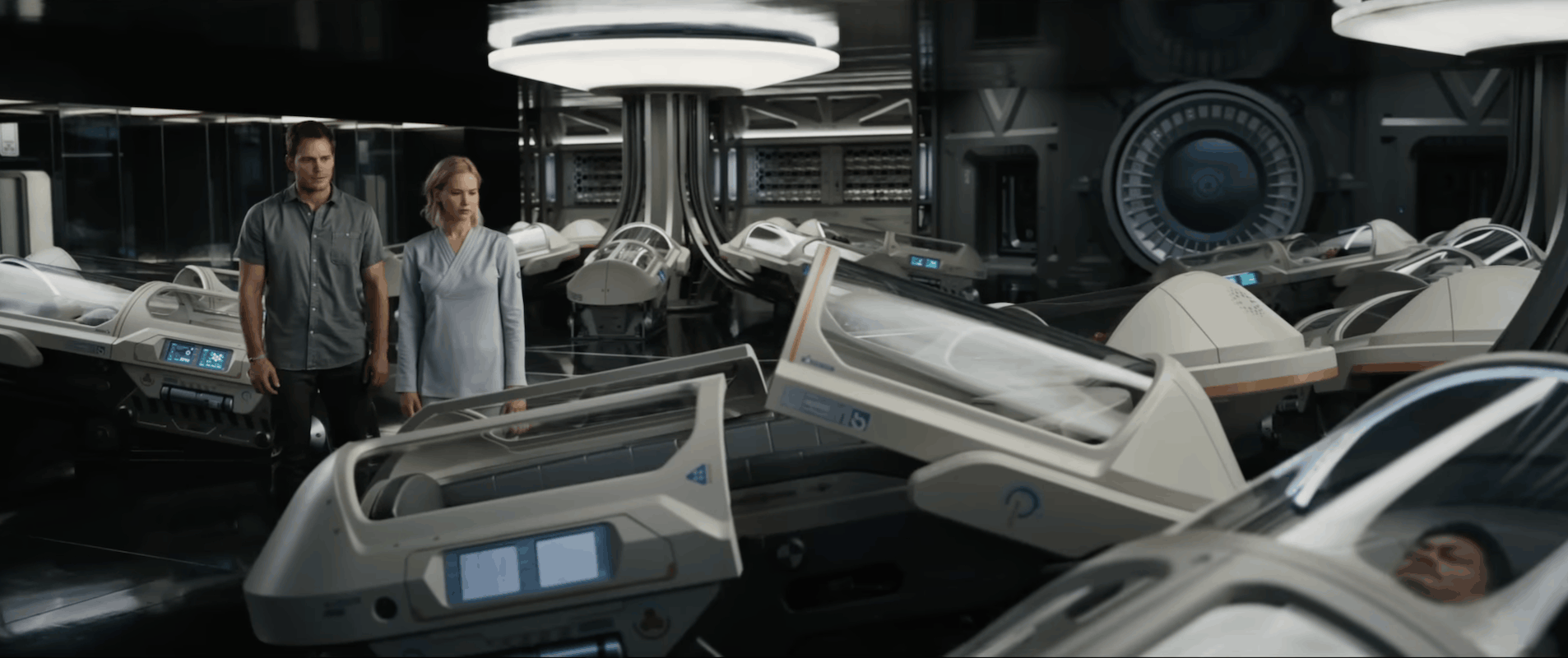
©️Passengers Official Trailer | Sony Pictures Entertainment
How Much of Pandora Already Exists on Earth? Avatar, Plants, and the Science of Invisible Connections
Facilitator: Cristina Dinu-Popa
Cinematic Anchor: Avatar (2009) — highlighting Pandora’s planetary biological network.
This is an exploration bridging cinema, biology, psychology, and complexity science. Facilitated as an open inquiry, the discussion contrasts what we see on screen with what modern scientific empirical research is uncovering about hidden biological communication networks right here on Earth.
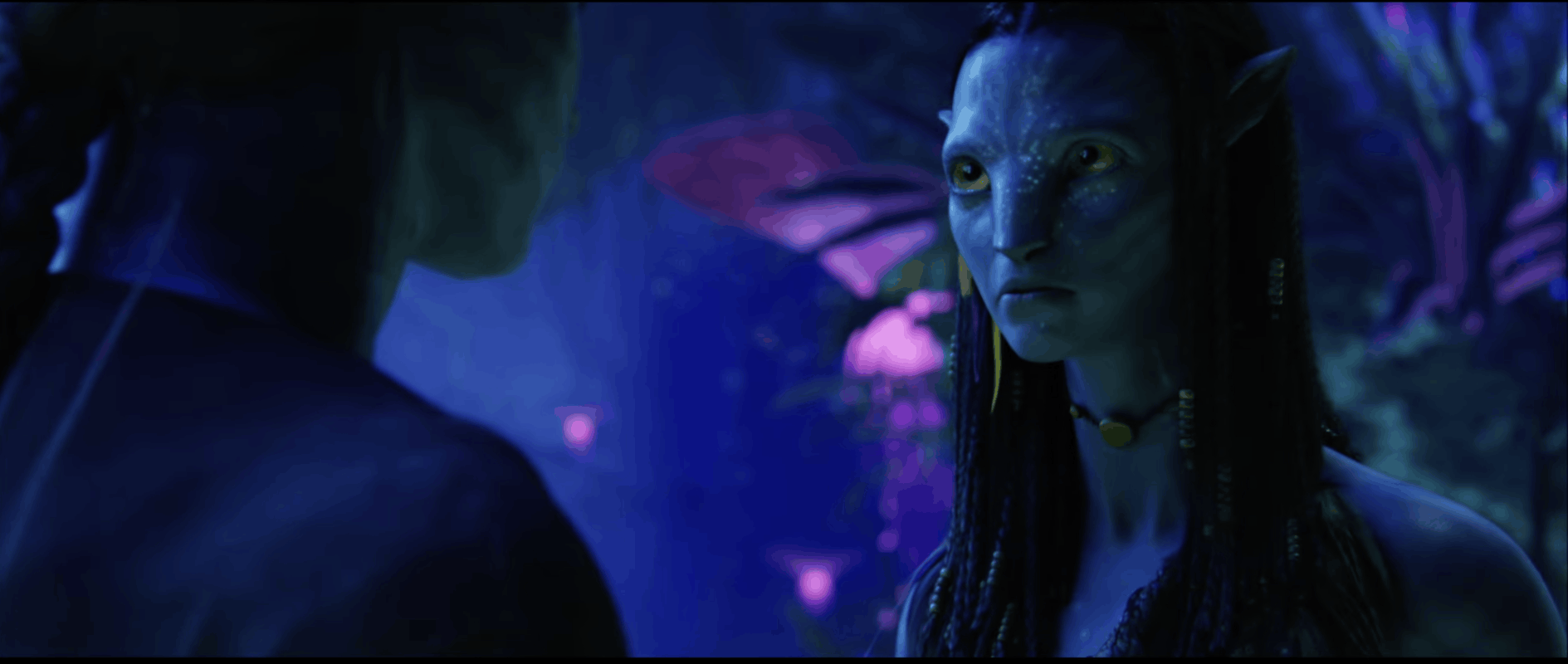
©️ Avatar
Philosophy Opens the Investigation, Science Measures: How Would a Transdisciplinary Way of Life Look Like?
Facilitator: Anca Berlo
Cinematic Anchor: Agora (2009) — examining knowledge, societal belief, and cultural fracture in ancient Alexandria.
Knowledge begins with wonder—a state of open receptivity fostered by philosophy. Science follows to measure, validate, and map the territory. Drawing from historical inflection points portrayed in Agora, this session explores the evolution of human civilizations and major cultural shifts—such as the transition from the oral to written culture—and what happens when societal coherence breaks down. Participants are invited to examine how we might navigate present-day volatility through genuine dialogue, critical thinking, intellectual humility, and compassion for our shared journey of transformation.
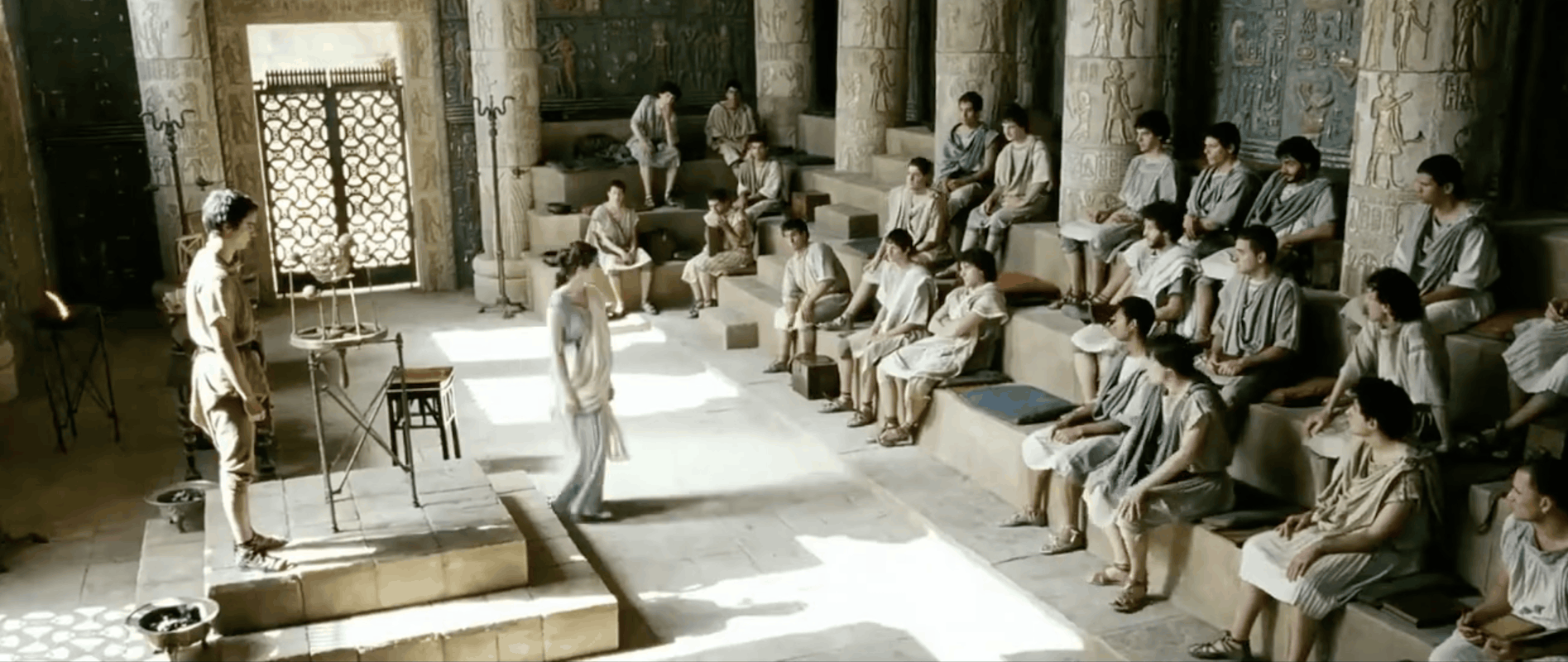
©️ Agora Official Trailer
Live Experimental Demonstrations at the CSC Booth
Alongside guided talks, the CSC booth features two hands-on experimental setups illustrating complex systems in physics and biology:
The Pendulum Setup: Coherence, Cascaded Energy, and Paradigm Shifts
This experimental setup—featuring an oscilloscope, amplifier, seismic sensor, and a successive bifurcation pendulum—serves as a research draft exploring how energy and structure interact. It proposes extending the law of energy conservation to include the conservation of coherence in coupled, hierarchical systems—much like the meandering flow of rivers balancing internal energy with surrounding terrain. Under constant excitation at specific frequencies, the system reveals that structure dictates energy absorption and emission.
CSC invites students and young innovators to collaborate on this developing setup. Needed skills include:
- 3D Design & Printing for dynamic pendulum configurations.
- Programming (Python/Raspberry Pi/Arduino) for motion tracking and emulation of seismic, sound, or noise excitations.
- Electronics & Signal Processing for sensor interfaces and control loop design.
- Mathematical Modeling & Project Management to help structure the research.
The Singing Plant Setup: Living Systems & Complex Bio-Networks
Situated at the interactive biological stand, this setup uses the symbolic idea of a “singing plant” to explore forest complexity, sound-organism interactions (music therapy), and living systems inspired by Avatar. The setup challenges conventional investigative approaches and introduces emerging career frontiers that sit at the intersection of life and physical sciences, such as biomathematics, bioinformatics, biogeophysics, and bioastrophysics. Visitors and students are invited to join directed brainstorming jam sessions to formulate meaningful questions about living complexity.
Targeted Engagement Formats
The initiative features two tailored interaction spaces designed to foster curiosity across generations:
For High School Students: The Space of Unasked Questions
Located at the interactive booth, this space invites high school students to engage with seed ideas and form hypotheses across physics, biology, mathematics, economics, and technology:
- Slime Mold Intelligence: How an organism without a central brain solves complex spatial optimization problems.
- Plant Perception: How plants process environmental signals and coordinate responses.
- Cosmic Origins: Tracing where the iron in human blood was formed before planet Earth existed.
- Emergence & Virtual Universes: Observing order emerge from chaos when modifying the rules of a simulated universe.
- Limits of AI: Examining how artificial intelligence recognizes patterns without understanding their underlying meaning.
For Senior Researchers & Academics: Beyond Discipline Boundaries
A collaborative workshop based on materials from the Jam Session Scientific initiative invites faculty, postdocs, doctoral students, and industry specialists to explore four emerging research frontiers:
- The Forest as an ecosystem, self-regulating system, and potential ontosensor.
- Music Therapy and the physical interaction between acoustic dynamics, physiology, and environment.
- Artificial Intelligence in Exploratory Research through new tools, frameworks, and methodologies.
- Frontier Domains spanning bioelectronics, biogeophysics, econophysics, and mechatronics.
By weaving together rigorous inquiry, cinematic imagination, and open dialogue across generations, the Center for Complexity Studies seeks to foster a community capable of bridging domains and perspectives. In an era marked by rapid transition and complex challenges, discovering shared ground requires not only technical expertise, but also the courage to ask unasked questions and a shared commitment to deep, transdisciplinary collaboration.
Find our more about: